Freight forwarder vs. shipping carrier: what's the difference?
The two are often confused, but they do fundamentally different jobs. One owns the transport assets; the other owns the outcome of your shipment.
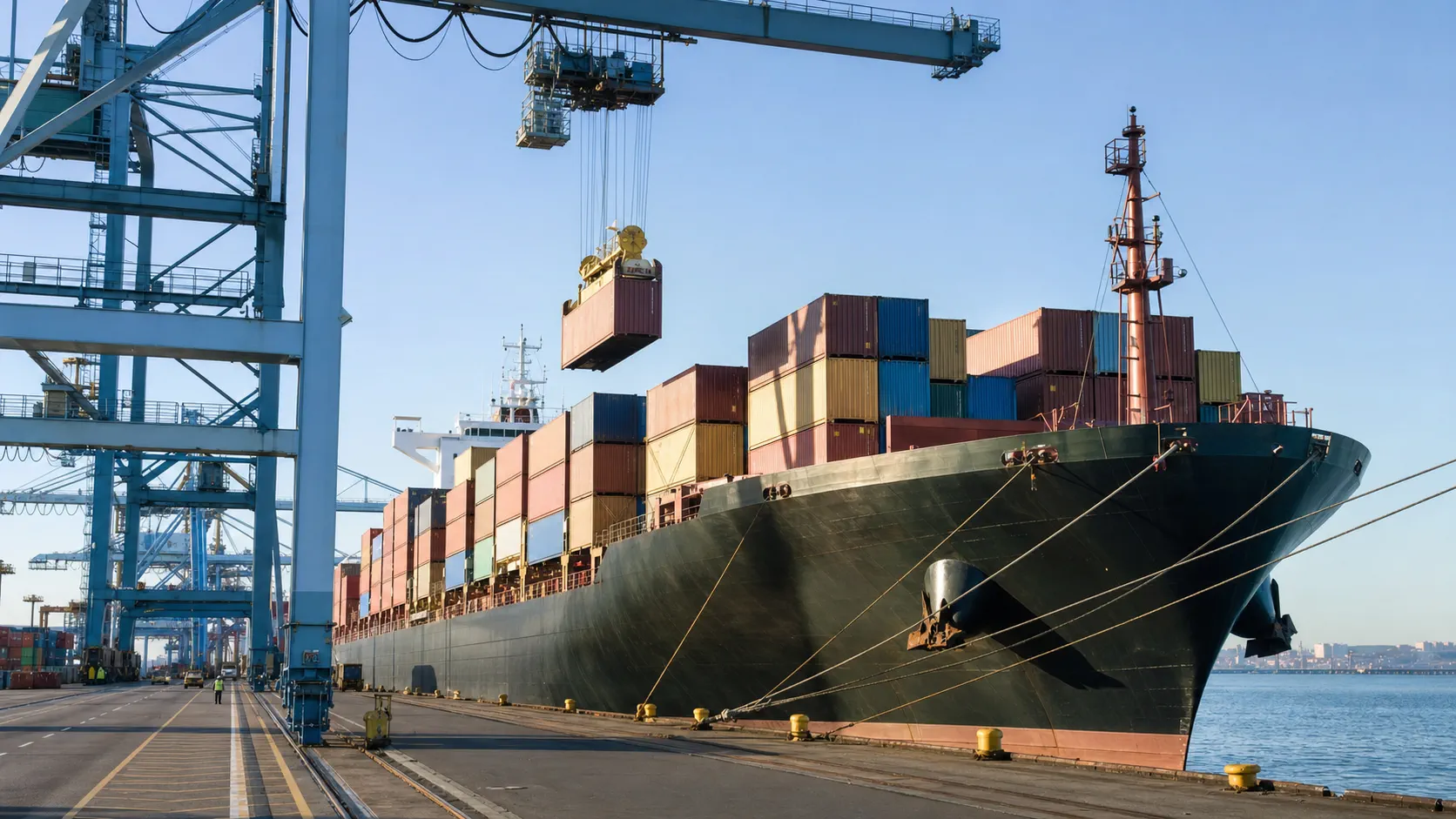
The carrier: assets and schedules
A shipping carrier owns and operates the transport assets — vessels, aircraft, or truck fleets. Carriers publish schedules, sell capacity on their own network, and take physical custody of cargo during the main transport leg. Their contract of carriage covers exactly that leg: port to port, or airport to airport. What happens before loading and after discharge is largely outside their scope.
The forwarder: coordination and accountability
A freight forwarder typically doesn't own vessels or aircraft. Instead, the forwarder designs the shipment: choosing modes and carriers, booking capacity, arranging pickup and delivery, preparing documentation, coordinating customs, and managing the handoffs between every party involved. The forwarder's product is a completed door-to-door movement — not a slot on a vessel.
Side by side
How businesses use both
This isn't an either/or choice — every forwarded shipment ultimately travels on a carrier. Very large shippers with steady volumes and in-house logistics teams sometimes contract carriers directly for their main lanes. Most other businesses work through a forwarder, who selects among carriers per shipment and absorbs the coordination work.
A useful rule of thumb: if your question is "how do I get a container from Shanghai to my warehouse in Cairo, cleared and delivered?" — you're describing a forwarder's job. If your question is "which vessel sails Tuesday?" — that's the carrier's timetable, and your forwarder already checked it.